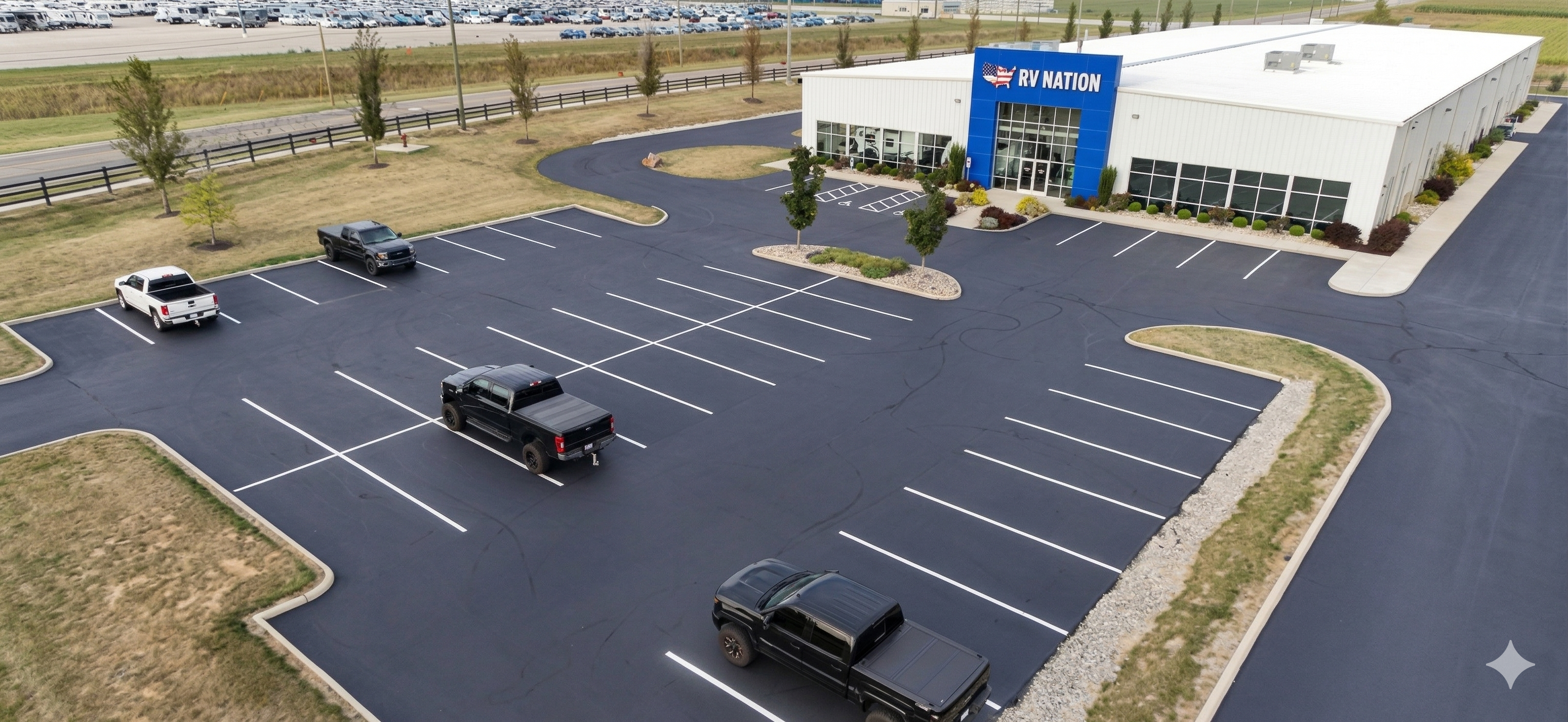
From Cracks to Glory: Mastering Asphalt Repair Techniques for Lasting Results Jun 09, 2026
Asphalt repair starts with identifying the type and extent of damage. Most common issues include alligator cracking, linear cracks, potholes, and depressions. Each of these has specific causes, whether it's due to heavy traffic, poor drainage, or substandard initial installation. Recognizing the problem early on is essential to prevent further deterioration and expensive repairs.
Once you have identified the problem areas, the next step is cleaning. Proper preparation is crucial before any repair can begin. Debris, dirt, and loose asphalt should be removed thoroughly. High-pressure washing or industrial blowers are often used to ensure the surface is clean and suitable for repair products to bond effectively. This step is vital for the longevity of any repair work.
Crack sealing is one of the most straightforward and cost-effective repair methods. It involves filling cracks with a hot or cold sealant designed to withstand varying weather conditions. The flexibility of the material allows it to expand and contract, preventing further cracking. This not only extends the life of the asphalt but also reduces water infiltration, a leading cause of pothole formation.
For more extensive damage, such as potholes, patching might be necessary. This process typically involves cutting out the damaged area and replacing it with new asphalt. There are different methods, including hot mix asphalt patching and cold patch asphalt. While cold patch is a quick fix, hot mix asphalt patching provides a more permanent solution and is ideal for long-term results.
Another effective technique is resurfacing, particularly for aged asphalt with widespread damage. Resurfacing involves laying a new layer of asphalt on top of the existing surface. This method offers a cost-efficient way to refurbish the pavement's appearance and extend its lifespan by several years. However, it is essential to ensure the underlying surface is stable before applying the new asphalt layer.
After completing repairs, sealcoating is recommended to protect newly repaired surfaces. This process involves applying a protective layer over the asphalt, safeguarding it from elements such as UV rays, water, and oils. Sealcoating not only enhances the appearance of asphalt but also provides a shield against future damage. Regular sealcoating, typically every two to three years, ensures that your asphalt remains robust and looks pristine.
In conclusion, mastering asphalt repair requires a blend of identifying the correct problems, using appropriate repair methods, and maintaining surfaces with regular care. At Hundley Sealcoating LLC, we bring expertise and commitment to quality, ensuring that your asphalt is not only restored to a flawless state but also protected for the future. By choosing the right techniques and professional services, you can enjoy durable, attractive asphalt that withstands the test of time. Remember, prompt and effective repair can save you both time and money while preserving the beauty and safety of your paved areas.
/filters:no_upscale()/filters:format(webp)/media/afbe37aa-dfd0-48bf-a439-113210276c0c.jpeg)